
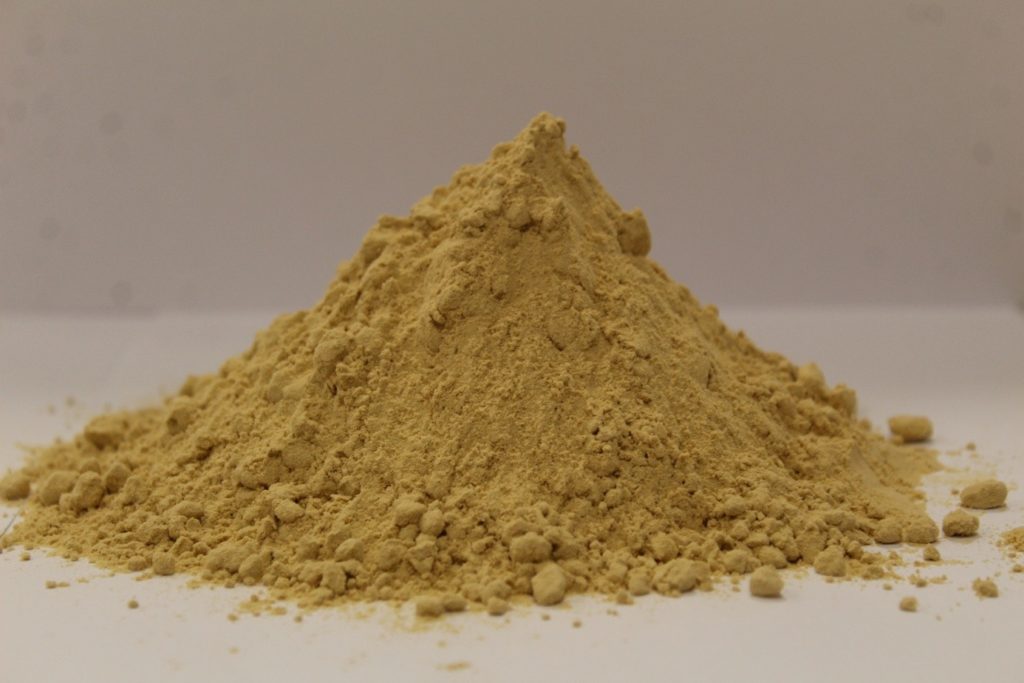
How to turn potato processing water into valuable protein through the power of microbes
Microbial protein powder
Did you know that microbial biomass, such as bacteria, yeasts and fungi, can have more than twice the amount of protein compared to meat and fish? Moreover, the quality of some microbial protein is very close to that of milk and meat with a more balanced amino acid profile, better digestibility and fewer antinutrients compared to plant-based protein such as soy.
I, Lars Stegemüller, am a project engineer at Avecom, where I mainly focus on biotechnological solutions to produce high-value ingredients from low-value residual side streams. Some examples include the valorisation of i) mixed plastic waste for bioplastic production and ii) aquaculture sludge for the production of aquaculture feed.
Within the AgriLoop project, we focus on the production of high-quality protein. We start from grey starch, which is a side stream from the potato processing industry of which there is plenty here in Belgium (we love our fries <3) and turn it into microbial protein through biomass fermentation.
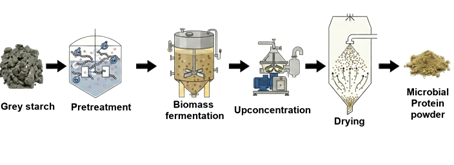
Process flow
The whole process can be compared to brewing beer
First, grey starch is pretreated similar to how barley is malted. Afterwards, the fraction of fermentable sugars is transferred to another tank where our bacteria take over and perform a fermentation. In the last step, the protein-rich biomass is separated from the liquid, similar to filtration in brewing. The only difference is that in our case, the protein-rich, microbial biomass is the product of interest and the remaining water fraction unfortunately does not taste as good as beer does.
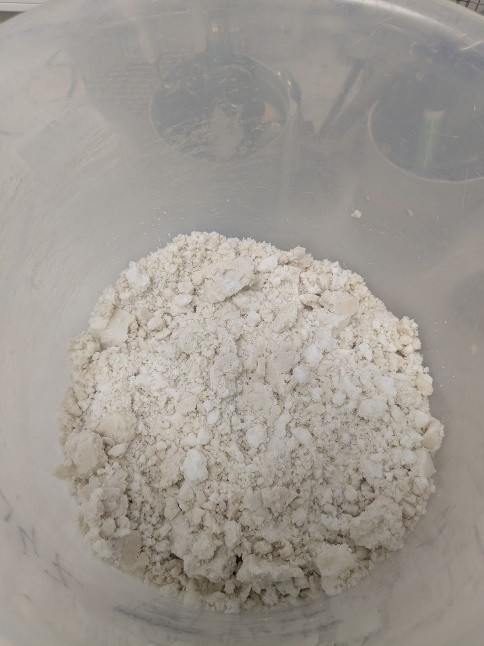
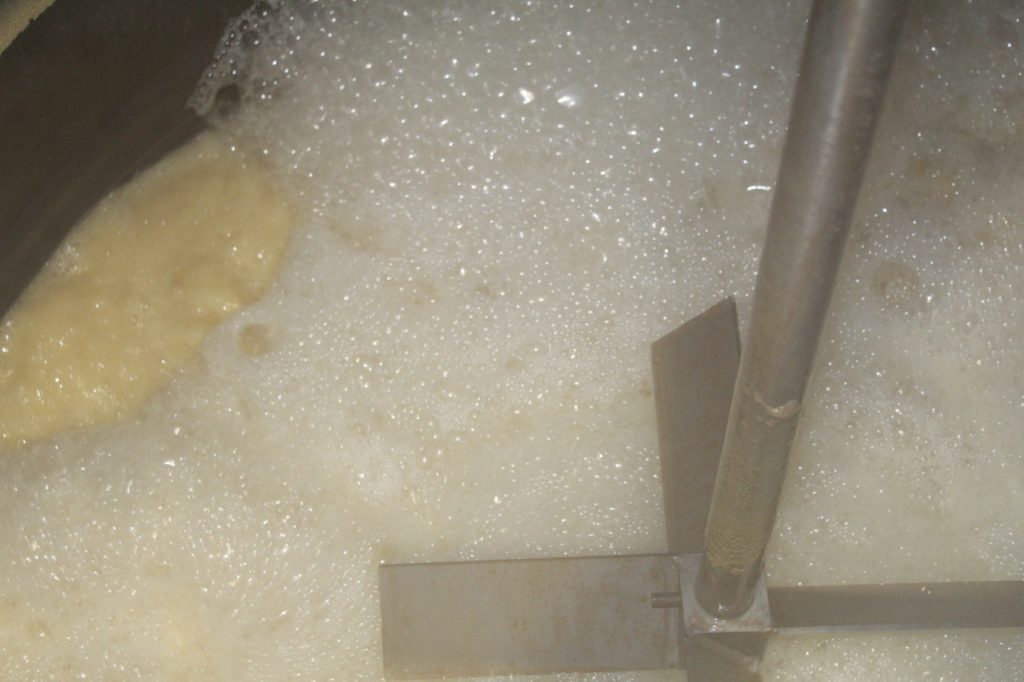
Grey Starch and reactors from the inside
Proteins are very important, not only for the human diet, but also for the feed of fish and livestock . Finding novel and sustainable solutions to produce high-quality proteins is therefore essential to meet a growing demand without harming the environment.
The work was performed in collaboration with the University of Ghent, where initial trials were performed before we focused on the scale-up here at Avecom. Additionally, we are working with a local potato processing company, which provides us with the starch-rich side stream.
We found an efficient way, using enzymes, to break down the side stream into simpler sugars, making it accessible for microbial growth.
We then grow microbial biomass containing up to 70% high-value protein with a complete amino acid profile.
One of the applications that we are looking into is to use the microbial protein in fish feed for aquaculture. Currently, aquaculture relies heavily on fish meal which is made from wild-caught fish. Already replacing parts of this fish meal can have a positive impact on the wildlife in our oceans. There are still some challenges, including regulatory hurdles, but it is not unrealistic to think that one day the microbial protein from food processing waste streams might end up on your plate.
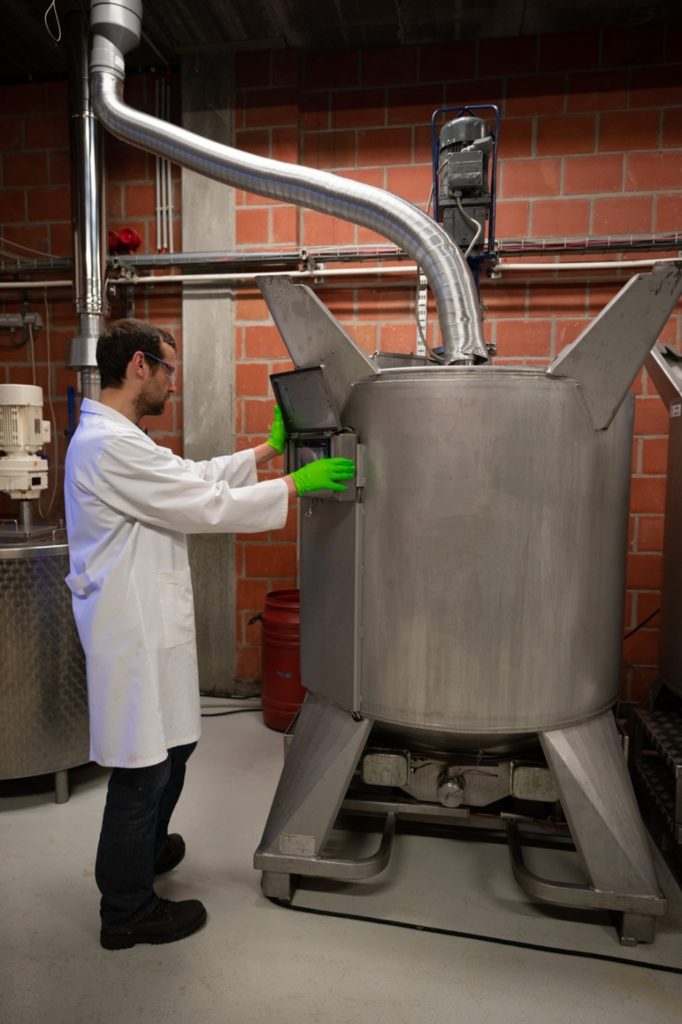
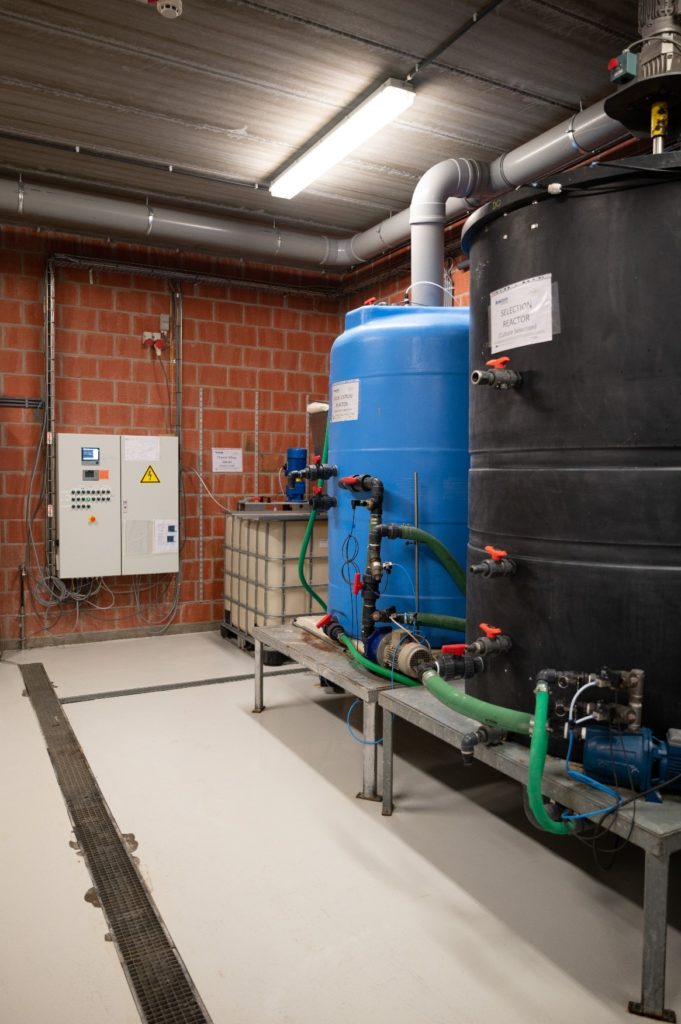
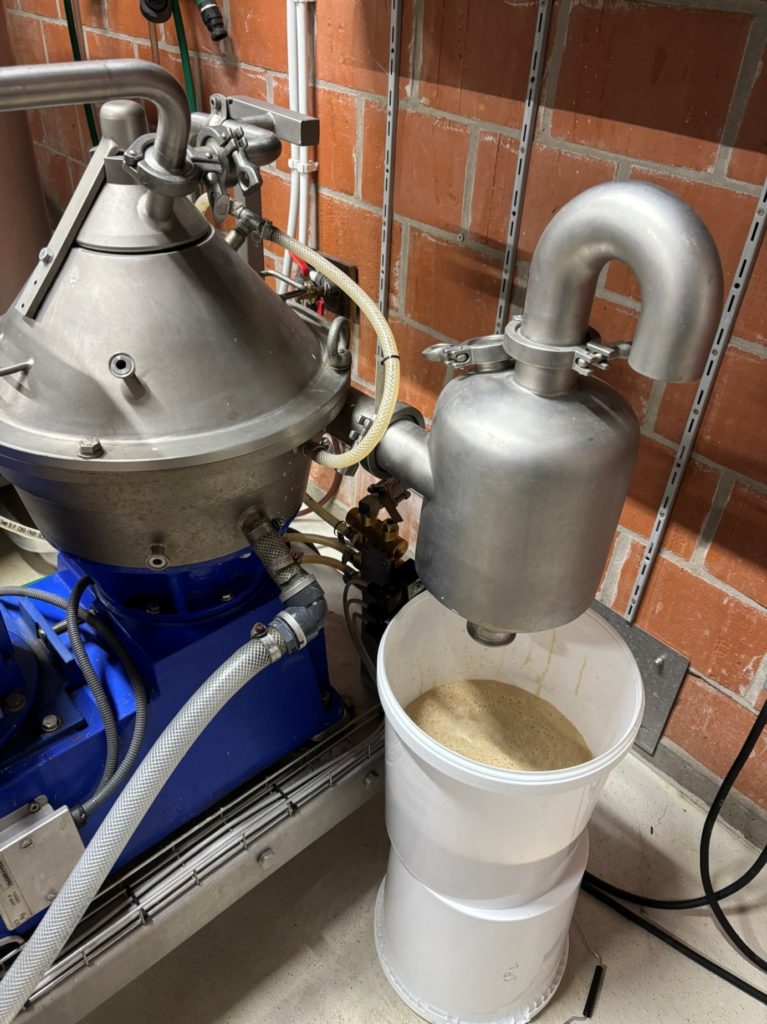
Enzymatic pretreatment reactor, fermentation reactors and MP harvest
Saving the world, one fry at the time
Proteins are an essential component of food and feed. Therefore, the volume of produced proteins is increasing every year. Unfortunately, this has led to unsustainable practices and environmental problems such as overfishing, deforestation, and soil degradation. The production of microbial proteins has significant advantages, since they can be produced from waste streams (as demonstrated in this project) and do not require arable land. Thus, they might represent a viable strategy to satisfy higher protein demands while reducing the environmental footprint.
by Lars Stegemüller, Project Engineer Biotech at Avecom, member of the EU project AgriLoop
Further reading
For further information about our research into grey starch and the use of potato processing water, please refer to the following best practice guides:
Valorisation of grey starch from the potato processing industry