The Delphi method in AgriLoop
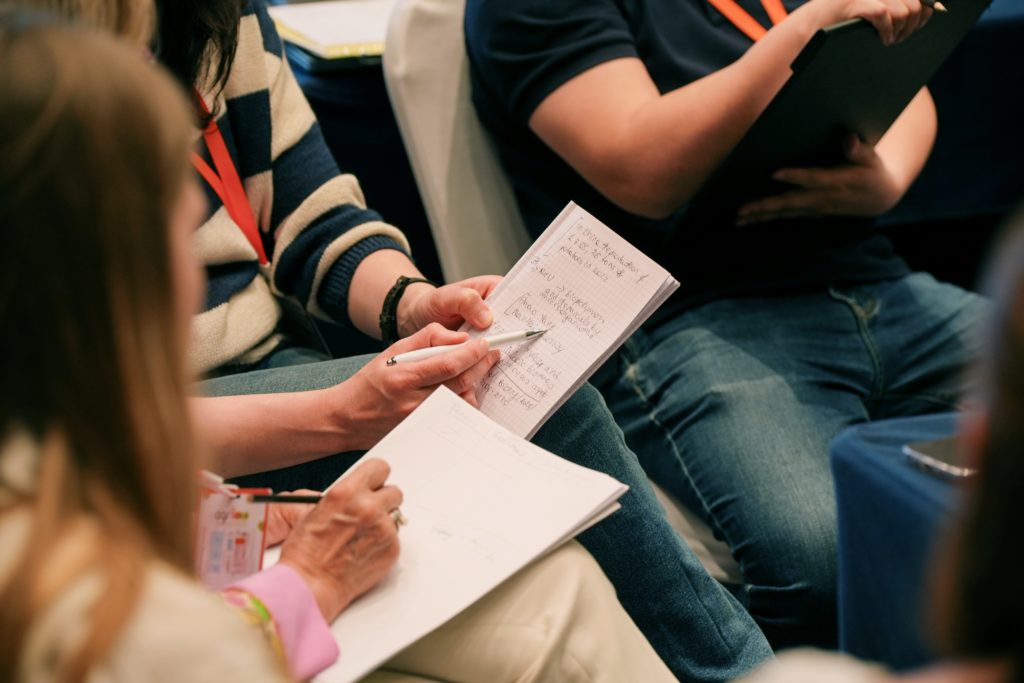
AgriLoop Stakeholder event in Beijing
Most innovation projects follow a familiar path: develop a technology, prove it works, publish the results–and then hope the market catches up. But in the circular bioeconomy, “working” in a lab is rarely the main challenge. Adoption is.
A material can look perfect on paper and still fail because it gets stuck at very practical gates: feedstock variability, inconsistent quality, missing specifications, unclear regulation, or simply a cost structure that buyers can’t accept. In short: you can solve the science and still lose the market.
That’s why AgriLoop asked a different question early on:
What would it actually take for real stakeholders to say “yes” to residue-based innovations?
To answer it, we used a structured consultation method called Delphi–, which became one of the most practical “translation tools” in the project.
Delphi in plain language: structured listening (in rounds)
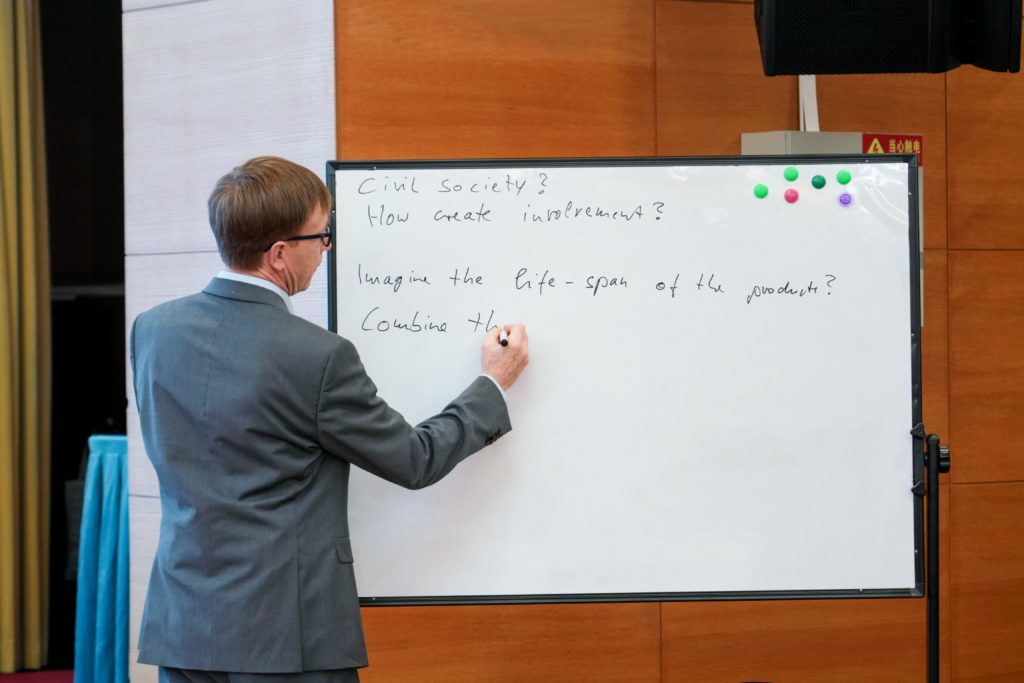
AgriLoop Stakeholder event in Beijing, Dr. Burkhard Schaer from Ecozept
If you do one interview round, you’ll get interesting opinions.
If you do one survey, you’ll get quick snapshots.
But if you want robust insights you can act on, you need something that helps experts refine, prioritise, and converge – without being influenced by group dynamics or the loudest voice in the room.
That’s what Delphi is designed for.
Think of it as structured listening in multiple rounds:
- You collect expert perspectives and reasoning
- You analyse the patterns and summarise them
- You feed the structured results back (anonymised)
- You ask again –so experts can validate, adjust, and sharpen what matters most
The power of Delphi doesn’t lie in the first round; it lies in what happens between rounds. Iteration clarifies the situation: it reveals where there is real consensus, where uncertainty remains, and which issues are true ‘deal-breakers’ for adoption. Equally importantly, Delphi facilitates indirect dialogue in a safe environment, connecting decision-makers who rarely communicate directly due to competing interests, geographical dispersion, or operating in small organisations with isolated roles. It helps them understand how their peers perceive the same challenges and opportunities.
How we used Delphi in AgriLoop
In AgriLoop, we ran a multi-round stakeholder consultation across the value chains of biopolymers and microbial proteins from agri-residues. The goal wasn’t to collect quotes for a report. The goal was to create decision guidance.
We spoke with stakeholders who see different parts of the adoption puzzle:
• upstream actors dealing with residues and supply realities
• midstream actors focusing on processing and converting constraints
• downstream actors representing buyers, requirements, and regulatory perspectives
This full value-chain coverage is crucial. If you only talk to researchers, you miss procurement and compliance reality. If you only talk to buyers, you miss feasibility constraints. Delphi works best when it captures these viewpoints together – and then tests them across rounds.
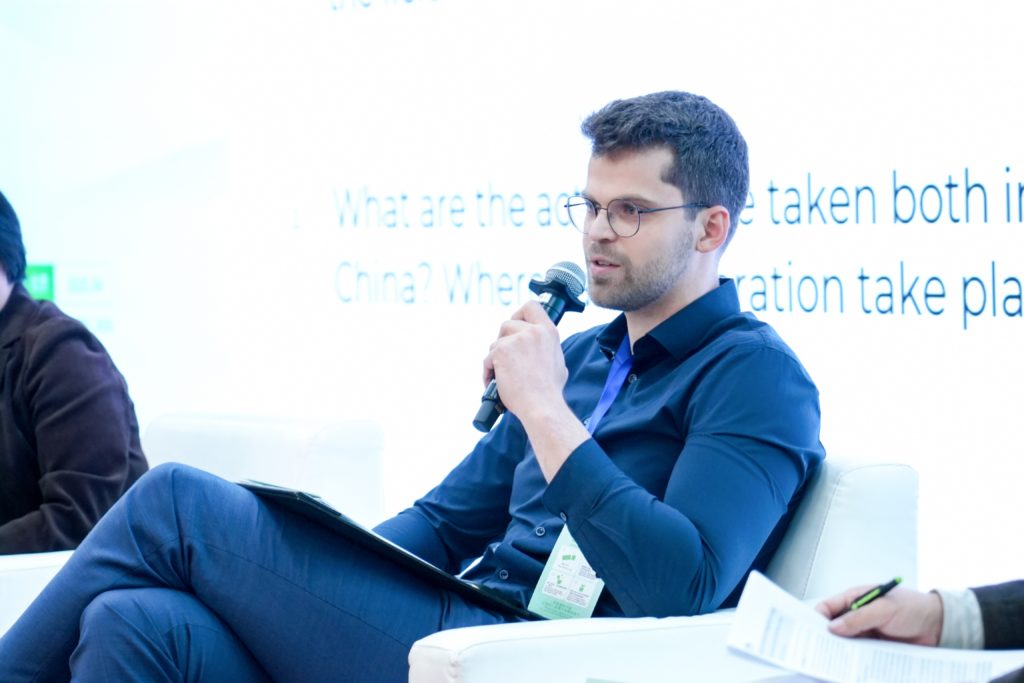
AgriLoop Stakeholder event in Beijing, Jan Linck from Ecozept
From interviews to something usable: the key step
Stakeholder engagement can easily produce “nice-to-have” feedback–interesting, but too vague to guide decisions or accelerate adoption. AgriLoop avoided that by treating interviews as structured evidence. Instead of summarising interviews as anecdotes, we systematically extracted:
- Adoption requirements what must be true for stakeholders to adopt
- Barriers and risks what stops adoption today
- Evidence needs what must be proven to move forward
- Practical constraints what works–or fails–in real processes
This is where Delphi becomes powerful for innovation projects: it turns experience into a structured map of “what matters most,” which is exactly what you need to choose markets, design pilots, and prioritise evidence generation.
Why this matters beyond AgriLoop
Circular innovation often fails for a simple reason: it doesn’t fit operational reality.
Delphi helps you to identify the industrial reality early on, before you spend time optimising the wrong application, producing the wrong evidence or using the wrong ‘language’ when speaking to buyers.
It supports a critical shift:
- from technology push to market pull
- from “we have results” to “we have decision-ready results”
- from “interesting” to adoptable
It also builds the network you need to get there by connecting decision-makers who rarely have direct contact. Delphi creates a shared reference point and a community of practice, turning scattered perspectives into a structured, trust-building dialogue that accelerates alignment, partnerships and, ultimately, adoption.
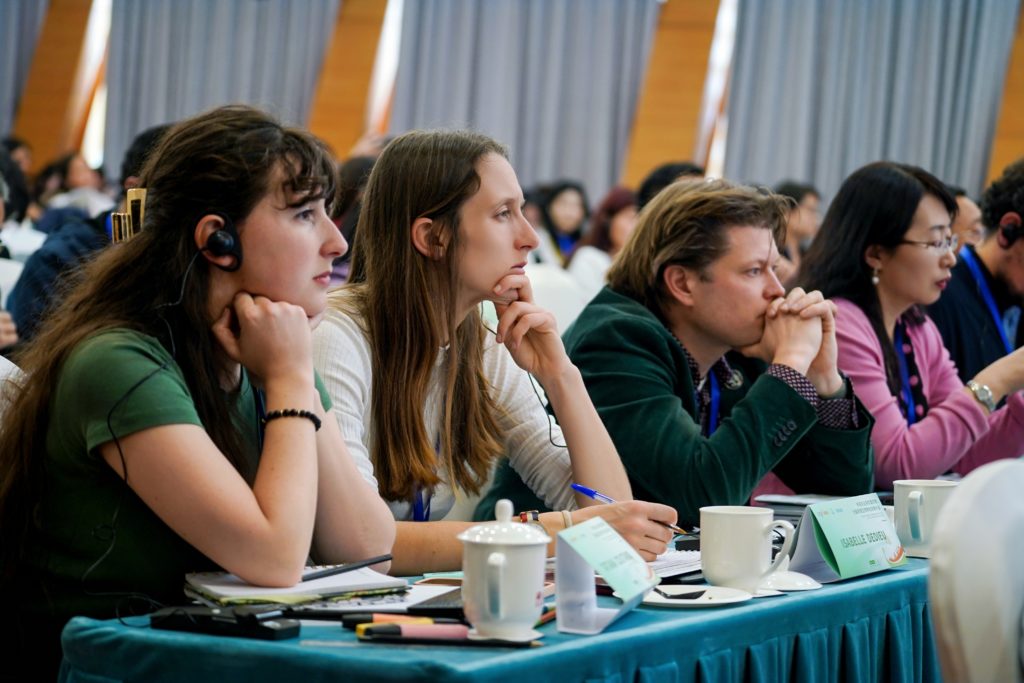
AgriLoop Stakeholder event in Beijing
Want more details?
If you want the detailed methodology, such as how the consultation was designed, how the rounds were run, and how the analysis was structured–this is available in the first annual reports on stakeholders’ consultations, SSbD elements, BtoB market readiness (AgriLoop deliverable 1.1)
by Jan Linck, Project manager at ECOZEPT, member of the EU project AgriLoop