
“We’re shifting from a “take-make-dispose” economy to a circular one that reuses resources.”
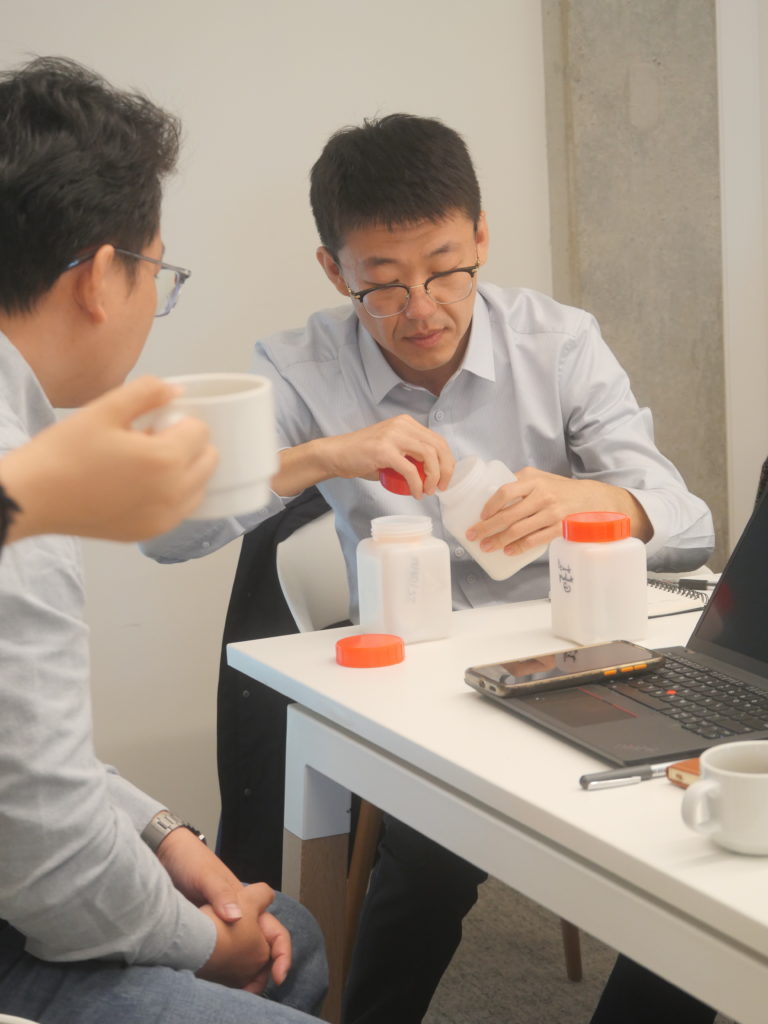
Picture: Ice breaker joy during the Annual Meeting in China, 2025
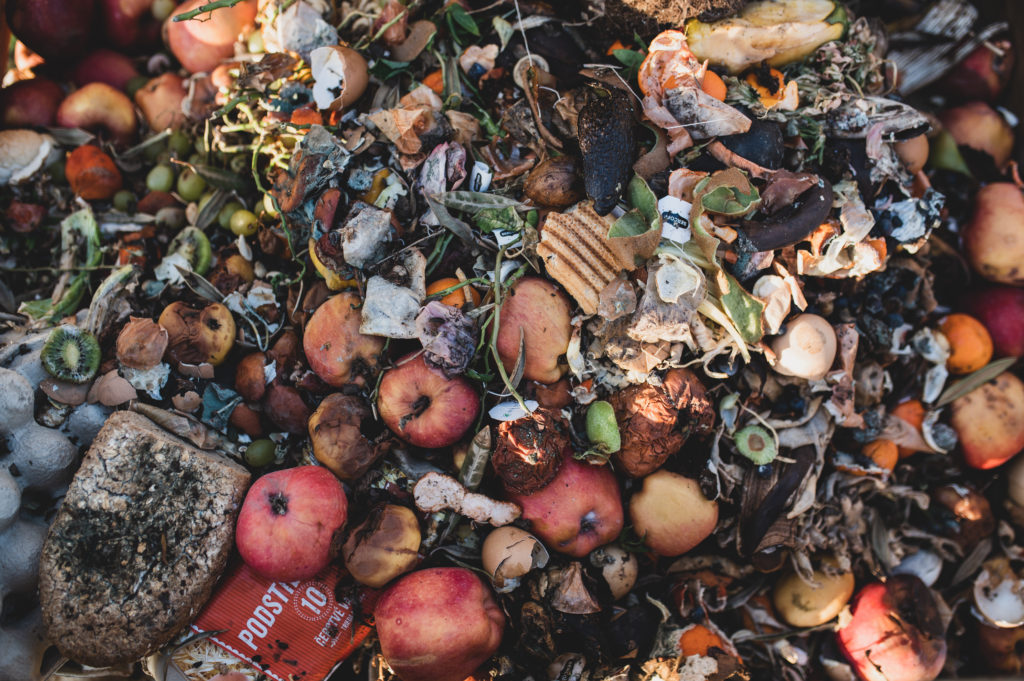
An important challenge is dealing with the 5 billion tons of farm and food waste produced globally each year, which is often being discarded or burned.
Launched in 2022, the AgriLoop project transforms this waste into high-value bioproducts. After three years, it stands as a model of how EU-China scientific cooperation can tackle global environmental challenges.
Let’s not waste the opportunity
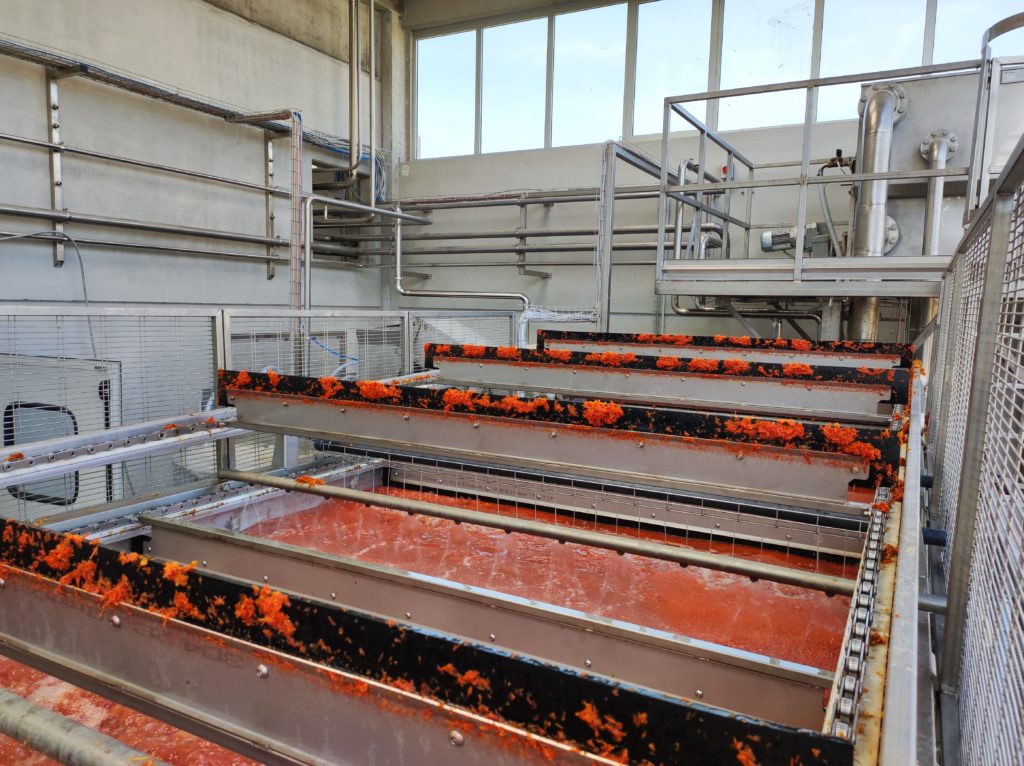
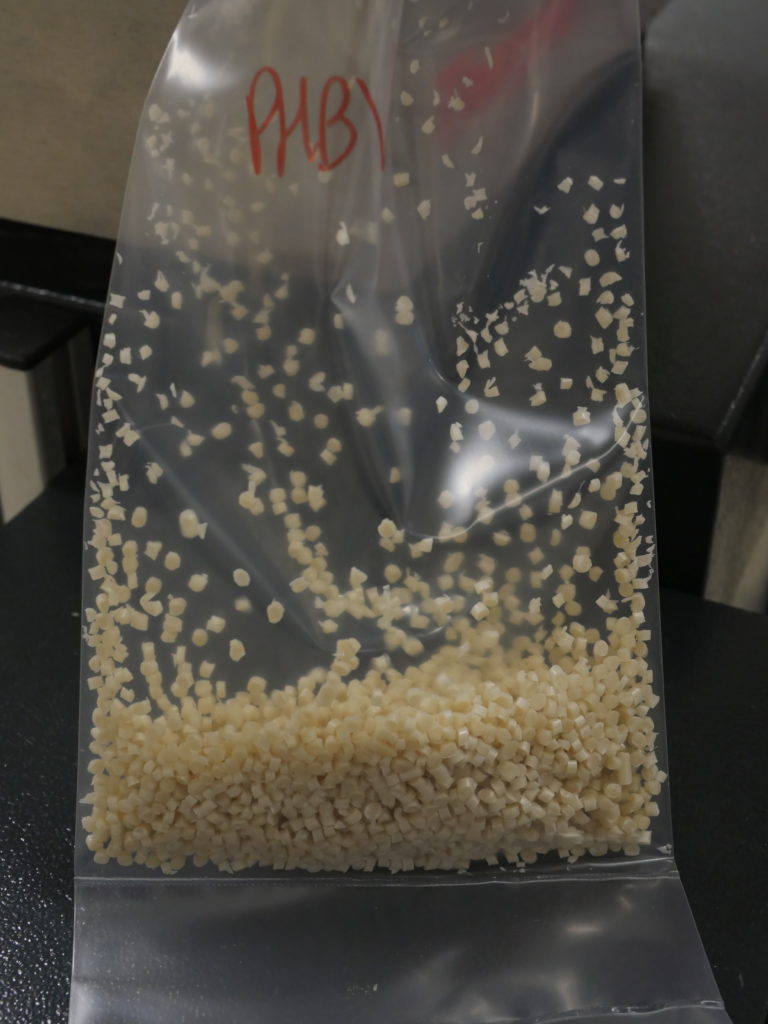
AgriLoop sees peels, husk, and pomace as valuable feedstocks. For example, farm waste can be transformed into fully biodegradable bioplastics (PHAs) for farm mulch films, elimination microplastic pollution. Tomato peels can provide health-boosting polyphenols, as well as a natural wax (cutin), serving as an eco-friendly and safer coating for packaging. Brewery spent grain and potato waste can be turned into sustainable protein feed for livestock and aquaculture.

From lab to reality
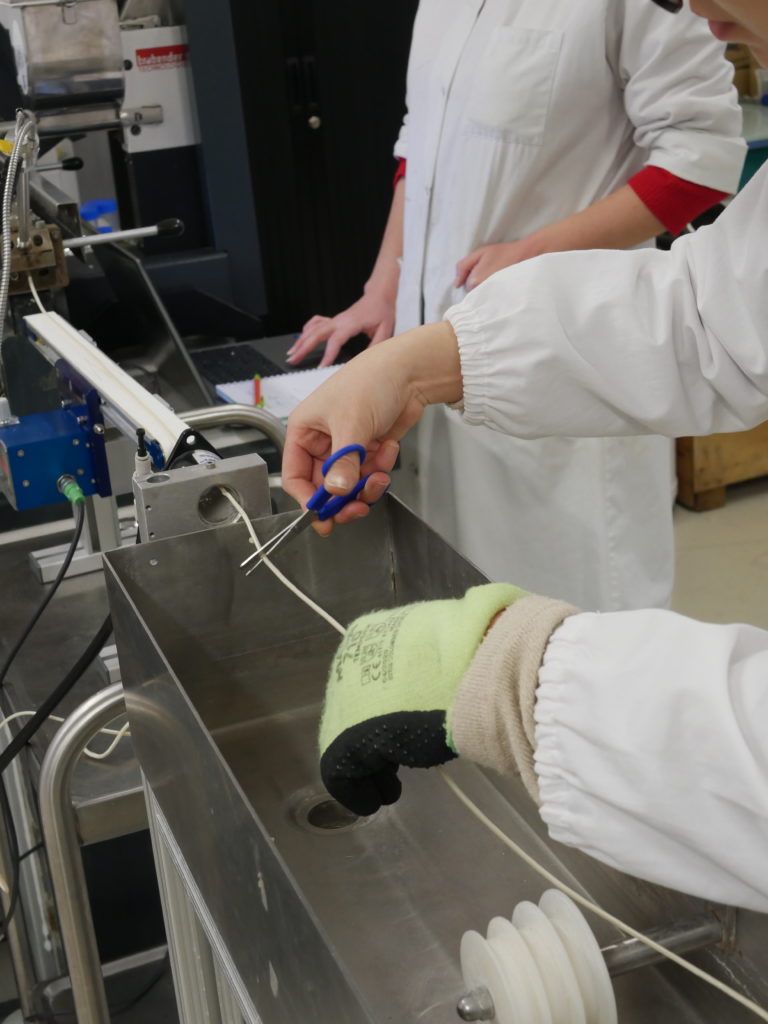
In three years, AgriLoop has moved from theoretical concepts to field trials and pilot-scale processing. Key advances include the development of a cascading biorefinery approach, extracting oil, protein, and finally bioenergy in multiple steps, allowing full exploitation from a single waste stream, leaving nothing behind. Green extraction techniques using natural solvents have improved compound recovery with less environmental impact, while engineered bacteria facilitated break down of tough plant materials, improving composting. Currently, ten breakthrough innovations are in the protection and assessment phases.
This progress is being fuelled by aunique EU-China partnership, formalised by the launch of the “China-EU Joint Laboratory for High Value Biorefining” in Beijing in 2025, supported by demonstration bases on both continents.

Tools and policy for scale

Beyond the laboratory, AgriLoop uses and develops digital tools to tackle logistic and environmental challenges. Mapping models can track the carbon footprint of products from farm to consumer, while AI-based tools transform expert interviews into market insights, and carbon accounting software facilitates complex analyses from days to minutes.
To succeed, innovation needs supportive policy. AgriLoop has proposed a new regulatory framework to distinguish truly biodegradable bioplastics from single-use fossil-derived plastics, helping to clear the path to commercialisation.
Picture: French and Chinese coordinators, Nathalie Gontard and Aimin Shi, China 2025.
The road ahead
Three years in, AgriLoop has proven that farm waste can be a source of biodegradable materials, sustainable proteins, and healthy compounds. Scaling up remains a challenge, requiring time, investments, and supportive policies.
But the progress is undeniable. With 5 billion tons of waste available annually, the resources are there. The technology is being developed. The task now is to turn these innovations into commercial reality, tackling plastic pollution and food security in the process.
The work continues.
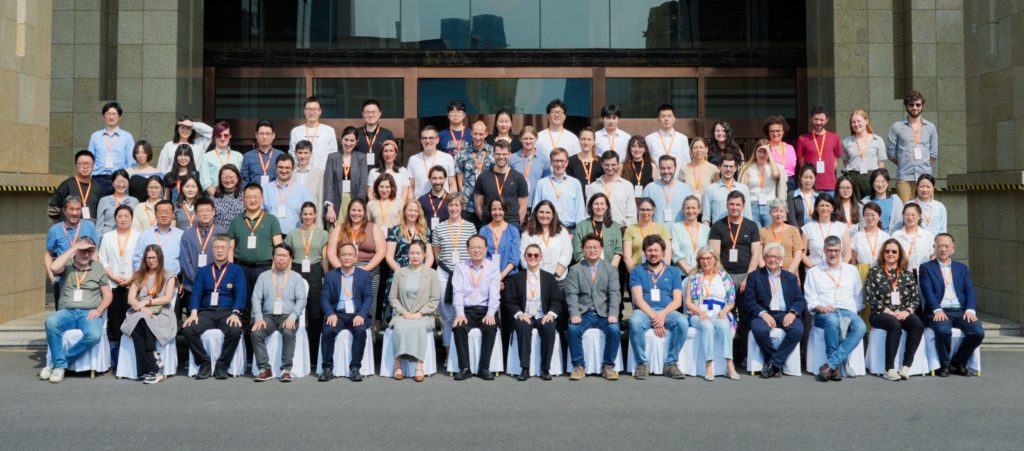
AgriLoop project consortium in Chengdu, China 2025.
Want to learn more about our journey from farm side-streams to sustainable materials ? Follow us on LinkedIn for more insights. You can also reach out to us with any questions at: agriloop-it@inrae.fr