“We cannot simply recycle our way out of this problem”
For decades, plastic has been the unseen engine of our global food system. It boosts yields in the form of mulch films, protects food in packaging, and enables new technologies like precision farming and vertical agriculture. It promised—and delivered—short-term gains in productivity and food safety.
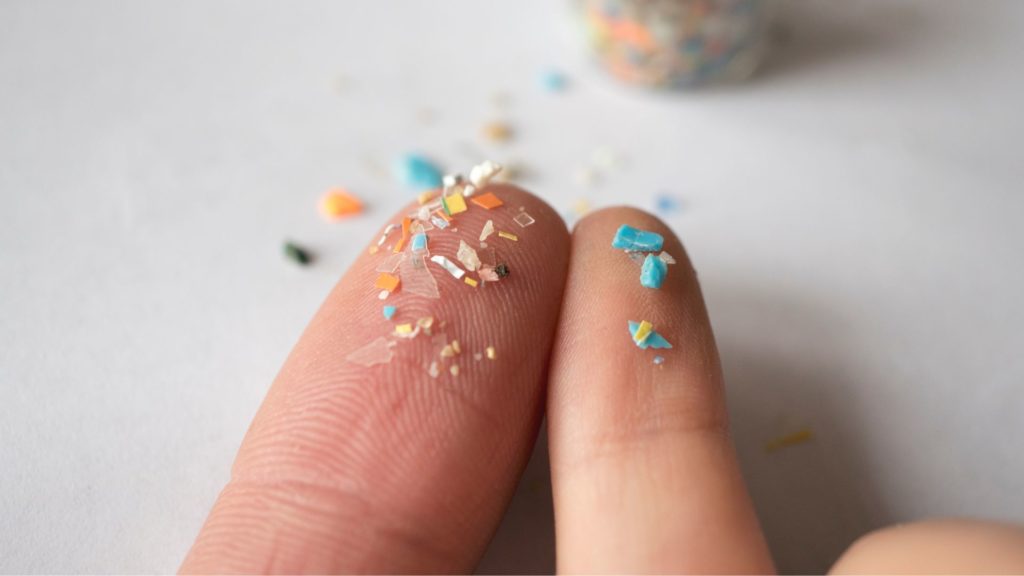
But we are now facing a long-term crisis. This versatile material doesn’t just disappear as waste; it permanently fragments into pervasive tiny, invisible particles known as micro- and nanoplastics. These particles are an irreversible pollution, accumulating in our soils, water, air, and ultimately, in our food and bodies.
The inevitable breakdown: From useful product to permanent pollutant
Unlike organic matter, plastic doesn’t biodegrade. Instead, from the moment it’s produced, throughout its use, and long after it’s discarded, it slowly crumbles into smaller and smaller particles. These micro- and nano-plastics are now ubiquitous contaminants.
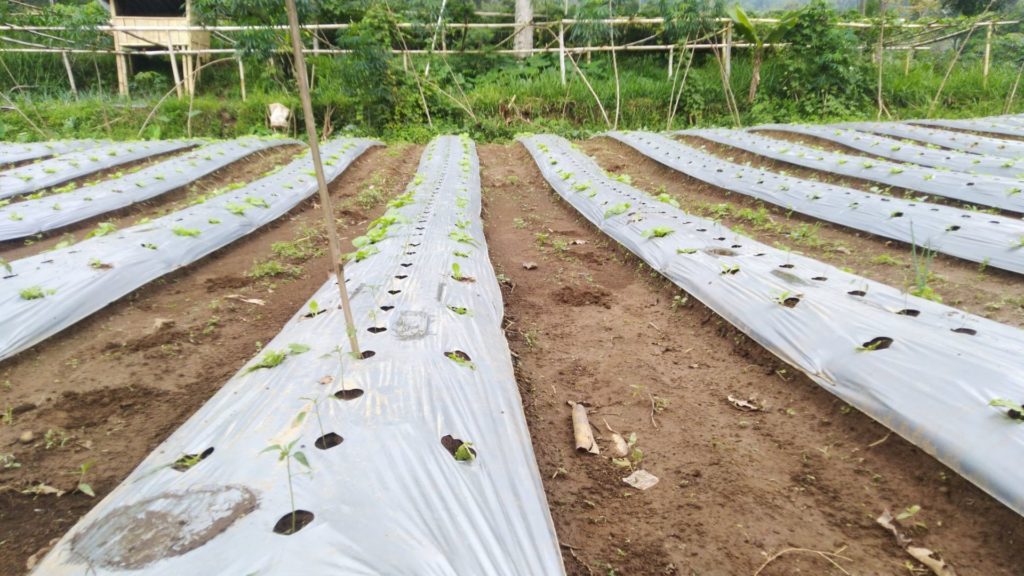
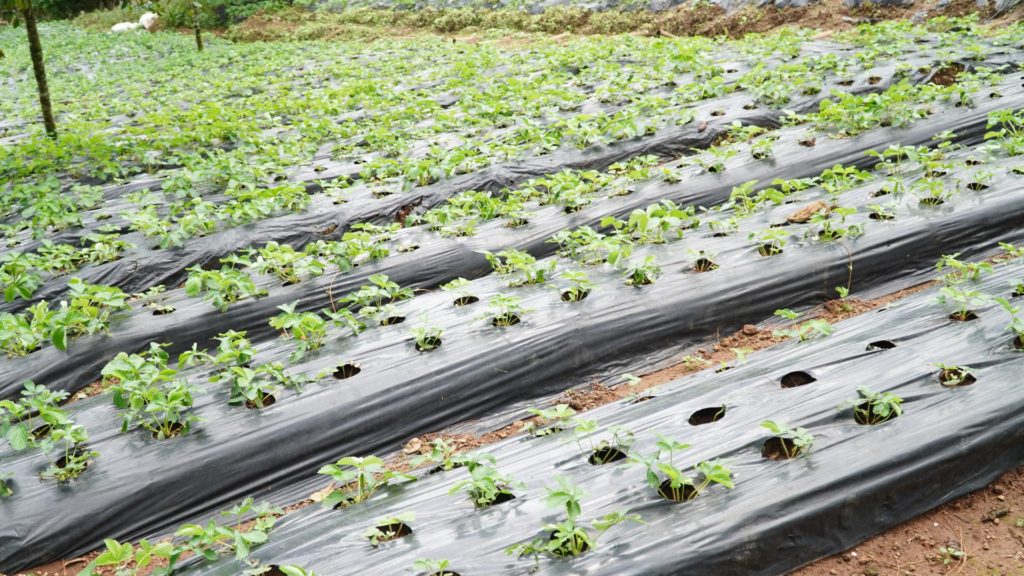
In fields, they come from degrading mulch films, coated seeds and fertilizers, and even from contaminated compost and irrigation water. They alter soil health, affect crop growth, and decrease long-term farm productivity. In food, they migrate from packaging or enter from contaminated ingredients, ending up in a vast range of what we eat and drink. In our bodies, these tiny particles can cross biological barriers, entering our bloodstream and organs, with emerging research linking them to potential health risks.
Why recycling and carbon footprints aren’t enough
Current efforts to combat plastic pollution are overwhelmingly focused on waste management and reducing carbon emissions. While important, this approach misses core issue:
1. Recycling is limited: Most plastic is “downcycled” into lower-quality items, not eliminated. The process doesn’t stop the continuous release of microplastics from the original product. A plastic bottle turned into polyester fleece still sheds particles.
2. The particles start early: Microplastic emission isn’t just an end-of-life problem. It happens from the very beginning—during production, use, and aging—long before an item becomes “waste.”
3. A flawed metric: Relying solely on “carbon footprint” assessments is misleading. It doesn’t account for the lasting, physical pollution of plastic particles in the environment—a completely different type of threat.
It’s time for a new measure: The “plastic particles footprint”
The paper “It is time to name and frame the plastic particle footprint of the agri-food sector’s practices and innovations” argues we urgently need a new way to measure the real impact of plastic: a Plastic Particles Footprint. This metric would quantify the amount of plastic from any product or practice that ultimately persists as micro- and nano-plastics in the environment.
Adopting this measure would create much-needed transparency. It would allow us to:
- Compare fairly: Objectively weigh the short-term benefits of a plastic-based innovation against its long-term pollution cost.
- Make informed choices: Empower farmers, companies, and consumers to choose practices and products with a lower particles’ footprint.
- Drive essential change: Identify and phase out non-essential uses of plastic where the long-term harm outweighs the benefit.

A call for precaution and transparency in our food system
We cannot simply recycle our way out of this problem. With plastic use set to grow due to population demands and climate challenges, we must adopt a precautionary approach. The agri-food sector, as the largest consumer of plastic, must lead this change.
We must move beyond a narrow focus on waste and carbon, and begin “naming and framing” the plastic particles footprint of everything we do. This is the crucial first step to break the cycle of irreversible pollution and build a truly sustainable food system for future generations. It’s not about eliminating all plastic, but about ensuring its use is absolutely essential and its long-term cost is fully accounted for. The time to start is now.
by Professor Nathalie Gontard, Research Director at INRAE, coordinator of the EU project AgriLoop
Want to know more? Read the paper: “It is time to name and frame the plastic particle footprint of the agri-food sector’s practices and innovations” by Nathalie Gontard